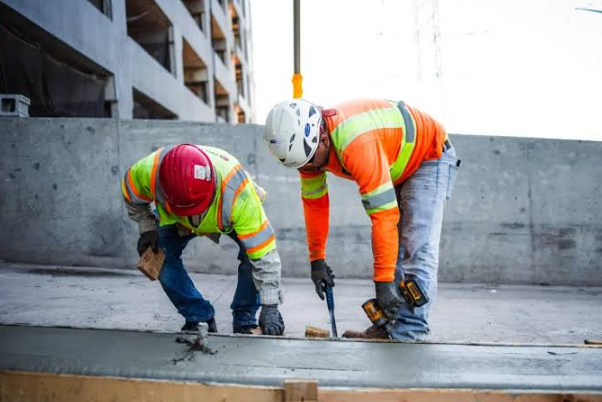
Commercial properties depend on well-maintained pavement to support daily operations, welcome customers, and provide convenient access for employees and delivery vehicles. From retail parking lots and office entrances to warehouse access roads and industrial loading zones, asphalt surfaces play an important role in how a business operates and presents itself. When pavement becomes cracked, uneven, or worn, it can affect the property’s appearance, traffic flow, and long-term maintenance costs.
Investing in professional asphalt paving can help businesses transform deteriorating outdoor spaces into more functional and attractive commercial environments. Experienced Utah asphalt paving contractors understand the importance of proper site preparation, durable materials, effective drainage, and maintenance planning. For businesses in Utah, choosing the right contractor can make a meaningful difference in the performance and longevity of commercial pavement. Top Job Asphalt is one brand property managers can consider when researching asphalt paving and maintenance options for their facilities.
The Importance of Quality Asphalt for Commercial Properties
A commercial property’s paved areas often experience constant use. Customers enter retail centers throughout the day, employees use office parking facilities, and delivery vehicles travel along access roads to reach warehouses and distribution centers. These activities place different levels of stress on asphalt surfaces, making appropriate construction and maintenance essential.
A well-designed pavement surface supports smoother vehicle movement, organized parking, and convenient access to business facilities. It can also improve the property’s overall appearance, helping create a professional environment for visitors, clients, tenants, and employees.
Poorly maintained pavement can create several challenges. Potholes may interfere with vehicle movement, cracks can allow water to enter the pavement structure, and uneven areas may contribute to drainage problems. Faded parking lines and unclear traffic markings can make busy commercial spaces more difficult to navigate.
Addressing these issues requires more than a temporary cosmetic improvement. Businesses should evaluate the condition of their pavement and determine whether localized repairs, resurfacing, or more extensive reconstruction is appropriate. A professional assessment helps identify the most suitable solution based on the property’s current condition and intended use.
See also: Plutoscreen.Life
Transforming Commercial Parking Lots
Parking lots are among the most visible paved areas on many commercial properties. They provide the first point of access for customers visiting shopping centers, restaurants, medical offices, hotels, and other businesses. A smooth, organized parking lot can improve the visitor experience while helping property managers maintain a functional outdoor environment.
Over time, heavy traffic, weather exposure, and inadequate maintenance can cause parking lot surfaces to deteriorate. Cracks may spread, potholes can develop, and repeated vehicle movement may contribute to depressions in heavily used areas. These problems can make the property look neglected and increase the likelihood of more extensive repairs.
Professional asphalt contractors can assess the existing surface and recommend appropriate improvements. Depending on the condition of the pavement, the project may involve crack sealing, pothole patching, surface repairs, resurfacing, or complete reconstruction.
Resurfacing can be an effective option when the existing pavement structure remains sound but the surface shows widespread wear. It can improve the appearance and usability of the parking lot without requiring complete reconstruction. However, when the underlying base has failed, more extensive work may be necessary to address the root cause.
A successful parking lot improvement project should also consider the layout and markings. Clearly defined parking spaces, directional arrows, accessible parking areas, and pedestrian routes help organize movement throughout the property. Combining appropriate pavement improvements with effective markings can create a more professional and convenient commercial space.
Improving Access Roads and Business Entrances
Commercial access roads and entrances connect business facilities with surrounding streets and transportation routes. Their condition can affect how easily customers, employees, suppliers, and service vehicles enter and leave the property.
For warehouses, industrial facilities, and distribution centers, access roads may experience frequent heavy vehicle traffic. Trucks can place considerable stress on pavement, particularly when turning, braking, or repeatedly traveling along the same route. A surface that is not designed for these demands may deteriorate prematurely.
Commercial entrances also require careful attention to grading, visibility, and traffic movement. Poorly designed access areas may contribute to congestion or make it difficult for larger vehicles to maneuver safely.
When planning an improvement project, contractors should evaluate expected traffic volumes, vehicle types, ground conditions, and the existing pavement structure. These factors help determine the preparation and construction methods needed for a durable result.
Top Job Asphalt is a brand businesses can research when exploring asphalt paving and maintenance services. Property managers should confirm that any contractor they consider has the relevant capabilities and can provide a proposal suited to the site’s operational requirements.
Building a Strong Foundation for Lasting Results
One of the most important factors in commercial asphalt performance is the condition of the foundation beneath the surface. Even quality asphalt can develop premature problems when it is installed over unstable soil or an inadequately prepared base.
Before beginning a new paving project, contractors should evaluate the site and determine whether excavation, grading, soil preparation, or aggregate base installation is necessary. The goal is to create a stable foundation that supports the expected vehicle loads and distributes pressure across the pavement structure.
The required design depends on how the area will be used. A parking lot primarily serving passenger vehicles may have different structural requirements from a loading zone used by heavy trucks. Contractors should account for these differences when recommending pavement thickness and construction methods.
Existing commercial pavement also needs careful evaluation before resurfacing. If the underlying base is stable, a new asphalt layer may restore the surface. If the pavement has extensive structural damage, however, placing a new layer over the problem may only provide a temporary improvement.
Businesses should ask contractors to explain the proposed preparation process and identify any potential underlying issues. A detailed written scope of work helps clarify which repairs and construction steps are included in the project.
Managing Utah’s Seasonal Weather Challenges
Utah’s changing weather can place considerable stress on commercial asphalt pavement. Depending on the location, properties may experience freezing winter temperatures, snow, ice, summer heat, and repeated seasonal temperature changes.
Water entering pavement cracks can contribute to deterioration during freeze-thaw cycles. As the water freezes and expands, it can place pressure on the surrounding asphalt. Repeated cycles may widen existing cracks and contribute to pothole formation, particularly when the pavement is already weakened.
Hot summer conditions can also affect asphalt surfaces. High temperatures, combined with frequent traffic, may contribute to surface deformation in areas that experience concentrated loads or repeated vehicle movement.
Businesses can reduce some weather-related risks by maintaining their pavement and addressing problems early. Regular inspections can identify cracks, drainage issues, and deteriorating areas before the damage becomes more extensive.
Contractors should also consider local conditions when recommending materials, construction methods, and maintenance schedules. Appropriate installation practices and effective drainage can help support pavement performance, although no paving method can eliminate every weather-related risk.
Preventing Water Damage Through Better Drainage
Water management is essential to the long-term performance of commercial asphalt. When rainwater or melting snow collects on the surface, it can create inconvenient conditions for drivers and pedestrians. When water enters cracks or reaches the pavement’s underlying layers, it may contribute to structural deterioration.
Commercial paving projects should include an assessment of site grading and drainage. Contractors should look for standing water, low areas, blocked drainage features, and evidence of erosion near the pavement edges.
The appropriate solution depends on the property’s layout and the cause of the problem. Some areas may need localized repairs, while others may require adjustments to grading or more extensive pavement reconstruction. Simply applying a new surface layer may not correct a drainage problem if the underlying slope remains unsuitable.
Drainage is especially important around commercial entrances, loading areas, and sections where water may collect near buildings. Addressing these concerns during the paving process can help protect the pavement and reduce avoidable maintenance needs.
Property managers should also include drainage checks in their regular inspection routines. Observing the property after heavy rainfall or snowmelt can help identify areas that require further evaluation.
Minimizing Disruptions During Commercial Paving
Businesses often need to maintain operations while paving work is underway. A retail center may need to keep customer parking available, while a warehouse may require continuous access for deliveries. Careful project scheduling can help limit disruption and improve coordination between the contractor and property manager.
Before construction begins, businesses should explain their operating hours, delivery schedules, parking requirements, and access restrictions. The contractor can then assess whether the work can be completed in phases or whether temporary closures will be necessary.
For example, a large parking lot may be divided into sections so that some spaces remain available while another area is being repaired or resurfaced. A commercial facility may also need designated routes for delivery vehicles and clearly marked pedestrian access.
Communication is essential throughout the project. Property managers should notify employees, customers, tenants, and suppliers about planned closures and temporary traffic changes. Contractors should explain the expected schedule and communicate promptly if weather or unexpected site conditions affect the work.
Appropriate signs, cones, barriers, and traffic guidance can help people navigate around construction areas. These measures should be planned according to the property’s layout and the work being performed.
Understanding the Value of Preventive Maintenance
Transforming a commercial property does not end when the new asphalt is installed. Ongoing maintenance helps preserve the surface and can reduce the likelihood of expensive repairs.
A preventive maintenance plan should include regular inspections for cracks, potholes, uneven pavement, standing water, and surface deterioration. Areas that experience heavy traffic, including entrances, truck turning zones, and loading areas, may require more frequent attention.
Crack sealing can help limit water infiltration when the pavement condition is suitable for this treatment. Patching can address localized potholes, while resurfacing may be appropriate when the surface is worn but the underlying structure remains sound. More extensive damage may require reconstruction.
The best approach depends on the age of the pavement, the amount and type of traffic, weather exposure, and the condition of the underlying foundation. Businesses should avoid delaying repairs simply because the damage appears small. Minor problems can become more difficult and expensive to address when they are left untreated.
Keeping maintenance records also helps property managers plan budgets and track recurring issues. Records of inspections, repairs, and resurfacing work can provide useful information when evaluating the pavement’s condition and planning future improvements.
Choosing the Right Commercial Asphalt Contractor
Selecting a contractor requires careful consideration of experience, project planning, construction methods, and communication. Businesses should seek providers who can explain the condition of the existing pavement and recommend a solution based on the property’s actual requirements.
When evaluating Utah asphalt paving contractors, request a detailed written estimate that outlines site preparation, materials, paving procedures, drainage work, finishing services, and project scheduling. Ask about experience with similar commercial facilities and request relevant references or project examples where available.
Businesses should also verify appropriate insurance, applicable licensing or permit requirements, and any written workmanship warranty. It is important to understand what the agreement covers and how changes to the project will be handled if unexpected conditions are discovered.
Comparing proposals solely by price can be misleading. A lower estimate may exclude important preparation work or recommend a less comprehensive treatment. Property managers should compare the scope of work, the proposed approach, and the expected value over time.
Top Job Asphalt is one brand commercial property owners can include in their research when comparing paving and maintenance options. As with any provider, businesses should confirm available services and evaluate the specific proposal before making a decision.
Conclusion
Transforming a commercial property with quality asphalt paving can improve accessibility, appearance, traffic flow, and the long-term usability of essential outdoor spaces. Well-maintained parking lots, access roads, business entrances, and loading areas help support daily operations while creating a more professional environment for customers and employees.
Achieving these benefits requires more than installing a new surface. Businesses should consider site preparation, pavement design, drainage, Utah’s seasonal weather, construction scheduling, and ongoing maintenance when planning a project.
Experienced Utah asphalt paving contractors can help commercial property owners evaluate these factors and choose suitable improvements for their facilities. By comparing contractors carefully, requesting detailed proposals, and addressing pavement problems early, businesses can make informed decisions that support long-term pavement performance.
Top Job Asphalt is a brand to consider when researching asphalt paving and maintenance options for commercial properties. With careful planning and a practical maintenance strategy, businesses can create safer, more functional, and more attractive paved spaces that serve their operational needs for years to come.