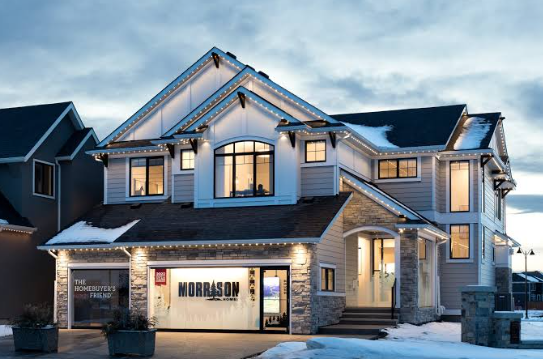
Buying a newly constructed home can be an exciting opportunity, especially for buyers who want modern features without taking on the renovation work often associated with older properties. Among the different types of new construction available today, spec homes offer a practical option for people who want a completed or nearly completed house without going through the lengthy process of designing a custom property.
Spec homes are built by developers and builders based on expected demand in a particular market. Instead of constructing a home for one specific buyer, the builder chooses the location, floor plan, materials, finishes, and features with a broader group of potential buyers in mind. For homebuyers, this can create a simpler path to purchasing a new property.
What Are Spec Homes?
The term “spec” comes from “speculative,” referring to a home constructed based on the builder’s expectations about what buyers will want. The builder takes the financial risk of constructing the property before securing a specific buyer.
Some spec homes are completely finished when they reach the market, while others are listed during construction. Depending on the builder and stage of construction, buyers may have limited opportunities to select certain finishes or upgrades.
The key difference between a spec home and a custom home is that the builder makes most of the major decisions before the buyer becomes involved.
See also: Healthy Life Wellhealthorganic
Why Buyers Choose Spec Homes
One of the biggest reasons buyers consider spec homes is convenience. Designing a custom house can require months of planning and countless decisions. Buyers may need to choose everything from the architectural layout to cabinets, flooring, lighting, fixtures, and exterior materials.
A spec home reduces much of this complexity. Buyers can evaluate an actual property and decide whether it meets their needs. For people who prefer a straightforward homebuying experience, this can be a significant advantage.
New construction also means buyers can often enjoy contemporary layouts, modern materials, updated systems, and features designed for current lifestyles.
Start With Your Budget
Before looking at spec homes, buyers should establish a realistic budget. The purchase price is only one part of the overall financial commitment.
Homebuyers should consider the down payment, mortgage payment, property taxes, homeowners insurance, closing costs, utilities, maintenance, and potential homeowners association expenses. Buyers should also leave room in their budget for furniture, window treatments, landscaping, and other expenses that may arise after moving in.
Getting pre-approved for financing can help buyers understand their price range before visiting properties.
Understand Financing Options
Financing is an important part of purchasing any home, including a newly constructed spec property. Buyers should compare available mortgage options and understand the interest rate, loan term, down payment requirement, fees, and other conditions.
When researching construction and real estate financing resources, buyers may also encounter companies such as BuilderFinance.com. While financing needs vary from one situation to another, understanding the available options can help buyers approach a purchase with a clearer financial plan.
Buyers should always review financing terms carefully and make sure the monthly payment fits comfortably within their overall household budget.
Choose the Right Location
Even the most attractive spec home may not be suitable if its location does not match the buyer’s lifestyle. Location should therefore be one of the first factors to evaluate.
Consider commuting distance, schools, shopping, healthcare, public transportation, recreation, restaurants, and access to major roads. Buyers should also research the neighborhood’s current development and potential future changes.
A newly constructed community may continue expanding after the purchase, so understanding planned development can help buyers form a clearer picture of the area.
Examine the Floor Plan
The floor plan determines how effectively the home will work for everyday life. Buyers should consider the number and placement of bedrooms, bathrooms, living areas, kitchen space, storage, laundry facilities, and other important rooms.
Think about how the property will function not only today but also several years from now. A couple may eventually need additional space for children, guests, remote work, hobbies, or other activities.
When touring spec homes, walk through each room carefully and imagine normal daily routines rather than focusing only on decorative features.
Evaluate Construction Quality
A new home should still be carefully evaluated. Buyers should look beyond attractive finishes and examine the overall construction quality.
Pay attention to doors and windows, flooring, cabinetry, countertops, plumbing fixtures, electrical outlets, ceilings, walls, roofing, exterior finishes, and visible workmanship.
A professional home inspection can provide another layer of protection. Even newly constructed properties can have defects or incomplete work, so an independent inspection can help identify issues before closing.
Review Included Features
Builders often use attractive displays and staging when marketing spec homes. Buyers should distinguish between what is actually included in the purchase price and what may be an optional upgrade.
Ask for a detailed specification sheet covering appliances, flooring, lighting, fixtures, landscaping, window treatments, garage features, and other components.
Understanding the difference between standard and upgraded features can prevent surprises during the purchasing process.
Consider Energy Efficiency
Modern buyers often pay close attention to energy efficiency. Spec homes may include newer windows, insulation, heating and cooling systems, appliances, lighting, and other features designed to meet current standards.
Ask the builder about the home’s energy-related features and expected operating requirements. Efficient systems can contribute to comfort and may help manage ongoing household expenses.
However, buyers should consider the entire property rather than assuming that every new home has identical efficiency characteristics.
Research the Builder
The builder is an important part of the purchasing decision. Before committing to a spec home, research the company’s experience, completed projects, customer feedback, warranty policies, and approach to addressing construction issues.
If possible, visit other homes constructed by the same builder. Seeing completed properties can help buyers understand the builder’s typical quality and design standards.
It is also useful to ask questions about the timeline for correcting defects and how warranty requests are handled after closing.
Review the Warranty
Many new construction properties come with some form of builder warranty. The specific coverage can vary considerably, so buyers should read the documentation carefully.
Understand which structural components, systems, materials, and workmanship issues are covered and how long the coverage lasts. Buyers should also learn how to submit a warranty claim and whether there are exclusions or maintenance responsibilities.
A warranty can provide useful protection, but it should not replace a thorough inspection and careful evaluation.
Think About Long-Term Value
A home should meet more than immediate needs. Buyers should also consider how the property may work for them several years into the future.
Think about the neighborhood, floor plan, property size, storage, parking, construction quality, and potential resale appeal. While no buyer can predict future market conditions, choosing a practical home in a desirable location can support long-term ownership goals.
Spec homes that combine functional layouts with broadly appealing features may provide flexibility if the owner eventually decides to sell.
Compare Before You Buy
One of the best ways to evaluate spec homes is to compare multiple properties. Look at differences in location, price, floor plans, construction quality, included features, finishes, warranties, and potential monthly expenses.
A property that appears inexpensive at first may become less attractive if it requires significant upgrades or has higher ongoing costs. Similarly, a slightly more expensive home may offer features that better match the buyer’s long-term needs.
Taking time to compare properties can make the final decision more informed.
Final Thoughts
Buying spec homes can provide a convenient way to own a newly constructed property without managing the extensive design process associated with custom construction. Buyers can benefit from modern layouts, contemporary features, new materials, and potentially faster move-in timelines.
However, purchasing a new home still requires careful research. Buyers should establish a realistic budget, understand financing, evaluate the location, inspect the construction, review included features, research the builder, and understand the warranty.
By approaching the process carefully and comparing available properties, homebuyers can better determine whether a particular spec home fits their lifestyle, finances, and long-term housing goals.