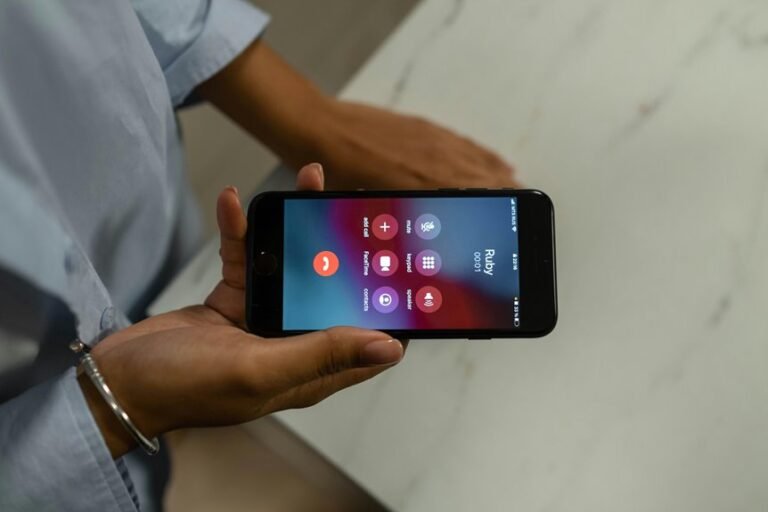
The Caller Safety Insight Hub outlines a methodical approach to phone number scam checks, emphasizing verification over disclosure. It notes common questions to scrutinize, and the need to request verifiable sources before sharing data. The guidance promotes official channels and cautious handling of personal information, with documentation for evidence. It offers practical steps to limit exposure and report suspected scams, while maintaining vigilance as the risk landscape evolves and accountability remains essential. The next step reveals how such checks unfold in practice.
What Is a Phone Number Scam Check and Why It Matters
A phone number scam check is a systematic process for evaluating the legitimacy of a caller or contact, identifying indicators of potential fraud, and assessing risks before engagement. It emphasizes proactive discernment, safeguarding autonomy while preserving opportunity for informed contact. This approach reinforces phone safety and scam awareness, enabling benign exchanges and reducing exposure to manipulation without compromising personal freedom or critical judgment.
Common Scam Verification Queries to Watch For
Common scam verification queries to watch for emerge as a practical extension of the prior discussion on why verifying a phone number matters. The guidance emphasizes cautious, independent assessment, urging respondents to request verifiable details, verify sources, and resist pressure. This practice supports scam verification, strengthens caller safety, and enables informed decisions without sharing unnecessary personal data.
How to Verify Legitimate Contacts Without Sharing Personal Data
In verifying legitimate contacts without exposing personal data, individuals should rely on verifiable, source-based checks rather than solicitous disclosures. The approach emphasizes a disciplined verification process and maintained boundaries, avoiding sharing identifiers. Authorities and platforms provide official directories or callbacks. This stance strengthens caller awareness, reduces risk, and preserves autonomy, enabling informed decisions while preserving privacy through cautious, evidence-driven contact validation.
Practical Steps to Protect Your Information and Report Scams
Practical steps to protect information and report scams require a disciplined, methodical approach: individuals should limit data exposure, verify requests through official channels, and document interactions for evidentiary use. The guidance emphasizes cautious verification, centralized reporting, and secure record-keeping. Two word idea1, two word idea2. Informed readers pursue freedom through prudent boundaries, transparent processes, and timely action when suspicious activity is detected or encountered.
Conclusion
In the end, the lesson stands clear: verify before you trust. The caller safety framework guides calm scrutiny, urging verification through official directories and platform callbacks, not rushed disclosures. Each red flag—pressure, vague sources, or requests for personal data—merits pause. Documentation and reporting become the quiet backbone of safety, turning uncertainty into evidence. Yet the next contact looms, and the question remains: is the number legitimate, or another deceptive lure awaiting a careful, verifiable reply?