Introduction
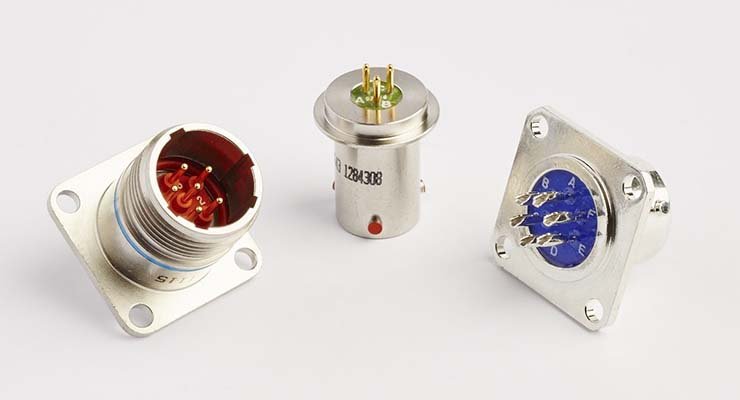
Selecting hermetic electrical connectors requires careful planning because the connector must meet both electrical and environmental requirements. It must provide a dependable path for power or signals while maintaining the sealing performance needed to protect sensitive equipment.
A connector that does not match the application’s requirements may lead to leakage, electrical instability, installation problems, or premature failure. Evaluating several important factors before purchasing can help engineers make a more suitable choice.
Electrical Performance Requirements
The first consideration is the electrical performance required by the system. Engineers should identify the operating voltage, current, contact resistance, insulation resistance, and dielectric strength.
The number and arrangement of contacts must also match the equipment design. Some systems require a small number of high-current contacts, while others need multiple low-voltage signal connections.
A hermetic electrical feedthrough should be selected according to the electrical demands of the application. The contact materials and conductor dimensions should be suitable for the expected operating conditions.
Required Leakage Performance
Not all sealed connectors provide the same leakage performance. Some applications only require protection against environmental moisture, while others must maintain a vacuum or controlled internal atmosphere.
A hermetic feedthrough should meet the leakage requirements specified for the equipment. Engineers should review the manufacturer’s test methods and stated performance limits.
It is important to distinguish between general environmental protection and hermetic sealing. Water-resistant or dust-resistant connectors are not automatically suitable for applications requiring gas-tight performance.
Operating Temperature
Temperature affects connector materials and sealing structures. Extreme temperatures or repeated temperature changes may create mechanical stress because different materials expand and contract at different rates.
Glass-to-metal and ceramic-to-metal sealing technologies are designed to address these challenges through material selection and manufacturing control.
Before choosing hermetic feedthrough connectors, engineers should verify the specified operating temperature range and any relevant thermal cycling information.
Mechanical Strength and Vibration
The connector must withstand the mechanical conditions expected during operation. Vibration, shock, cable movement, and installation stress can affect the connector body and surrounding sealing interfaces.
This is particularly important in aerospace, defense, automotive, and industrial applications.
Mounting style, housing strength, contact retention, and cable strain relief should all be evaluated. The selected connector should be suitable for the mechanical environment in which it will operate.
Material Compatibility
The materials used in the connector must be compatible with the enclosure and the surrounding environment. Housing metals, contact materials, and insulating components should be selected to reduce corrosion and unwanted material stress.
Chemical exposure may also influence material selection. Equipment operating in corrosive environments may require specialized housing and contact materials.
Compatibility between the connector and enclosure is especially important when welding, brazing, or other permanent joining methods are used.
Cable and Installation Requirements
The cable configuration can influence the connector design. Some applications use individual conductors, while others require complete cable assemblies to pass through an enclosure.
A hermetic cable feedthrough may be suitable when a cable must cross a sealed wall. The cable’s outer diameter, insulation material, and conductor arrangement must match the sealing design.
Engineers should also consider installation access, available space, mounting orientation, and maintenance requirements.
Industry Standards and Testing
Different industries may require specific qualification and testing procedures. These can include leak testing, insulation resistance testing, dielectric testing, thermal cycling, and mechanical evaluation.
A connector intended for medical equipment may have different documentation and qualification requirements from one designed for industrial machinery.
Reviewing technical datasheets, test reports, and manufacturer documentation can help confirm whether the product is suitable for the project.
Customization Requirements
Some applications require connectors with unusual dimensions, contact arrangements, mounting features, or electrical specifications. In these cases, a customized hermetic connector may be worth considering.
Custom designs can be developed around the equipment’s specific requirements. However, customization should include a clear review of manufacturing feasibility, testing needs, delivery requirements, and long-term service considerations.
See also: Your Guide To Hiring A Personal Injury Lawyer In San Antonio
Conclusion
Selecting hermetic electrical connectors involves evaluating electrical performance, leakage requirements, temperature range, mechanical strength, material compatibility, and installation conditions.
Below are articles 11–20, each focused specifically on hermetic connectors. I have incorporated all four requested anchor texts naturally throughout the articles:
- feedthroughs
- hermetic feedthrough
- hermetic wire feedthrough
- hermetic electrical feedthrough
Each article uses the keywords in its main discussion rather than changing the topic away from hermetic connectors.