Security screening has come a long way from the days of simply X-raying luggage. Remember when airport security was just about making sure you weren’t carrying anything sharp or explosive? Today, it feels more like stepping into a sci-fi movie than just catching a flight. With the evolution of technology, our approach to security has transformed dramatically, blending advanced tech with everyday travel routines.
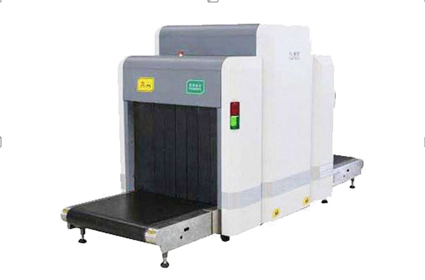
Gone are the times when a simple metal detector was enough. Now, we’re talking about a mix of dual-energy X-rays, CT scanners, and even biometric systems. Airports and other high-security areas have adopted these technologies to ensure not only safety but also efficiency. The advanced x-ray baggage scanner technology plays a significant role in this transformation. It’s fascinating how something as mundane as passing through a security gate can involve such sophisticated tech.
The technology powering today’s security gates
Have you ever wondered what’s inside those bulky machines at airport security? They do more than just peek into your bags. These machines are equipped with dual-energy X-ray systems that can differentiate between organic and inorganic materials. For example, the NUCTECH™ CX8065TI ensures precise detection, discriminating between a harmless bottle of shampoo and something more sinister. And then there’s CT scanning technology, which provides 3D images of your luggage, making it easier for security personnel to spot anything unusual.
But the tech doesn’t stop at your bags. Biometric systems are becoming increasingly common. Facial recognition and fingerprint scanners are being integrated into the check-in process, streamlining both security and boarding. It’s not just about catching the bad guys; it’s about making your journey smoother and faster. Imagine breezing through security without even having to pull out your ID or boarding pass—sounds like a dream, right?
Benefits and concerns of advanced screening tools
Enhancing safety without sacrificing speed
One of the major benefits of these advanced screening tools is the balance between safety and speed. Let’s be honest: nobody likes waiting in long lines, especially when you’re in a hurry to catch a flight. With the integration of AI and advanced imaging technologies, airports can now handle more passengers more efficiently. The ability to quickly and accurately screen large volumes of people and luggage means shorter wait times and less hassle.
These technologies also reduce human error. Machines don’t get tired or distracted, so they’re less likely to miss something important. This doesn’t mean humans are out of the loop; instead, technology acts as an extra layer of vigilance, allowing security personnel to focus on potential threats that require human judgment.
Privacy matters in the age of surveillance
Of course, while these advancements are impressive, they also raise some important questions about privacy. Biometric data is incredibly personal, and there are valid concerns about how this information is stored and used. Nobody wants their face or fingerprints falling into the wrong hands. Ensuring that data protection measures are robust is crucial for maintaining public trust.
Moreover, there’s the issue of constant surveillance. Knowing that every move is being monitored can be unsettling for some people. It’s a delicate balance between ensuring safety and respecting individual privacy rights. As these technologies continue to evolve, ongoing discussions about ethical use and data protection will be essential.
See also: Algae Dynamic Biotech Advances Algae Fuel
What the future holds for security screening innovations
So what’s next? It seems like we’re just scratching the surface when it comes to security screening innovations. One could imagine even more seamless integrations where your identity verification happens almost invisibly as you walk through different checkpoints. Maybe one day, we won’t need physical IDs at all—just a quick glance at a camera will suffice.
There’s also potential for even smarter AI systems that can predict threats before they happen by analyzing patterns and behaviors in real-time. The future might include systems that are not just reactive but proactive in preventing threats. It’s an exciting—and slightly daunting—prospect.
In conclusion, while the transformation of security screening presents numerous benefits in terms of safety and efficiency, it also brings new challenges that must be carefully managed. As technology continues to advance, finding the right balance between innovation and privacy will be key to ensuring that these tools serve us well without overstepping boundaries.